

How Sur la table made experimentation its secret weapon
Sur la table runs 10x more experiments with Coframe, taking ideas live in hours instead of weeks. CMO Elton Graham shares how faster launches help his team learn what customers want and roll out the winners.
 5 min read
 November 2, 2026
 Coframe Team

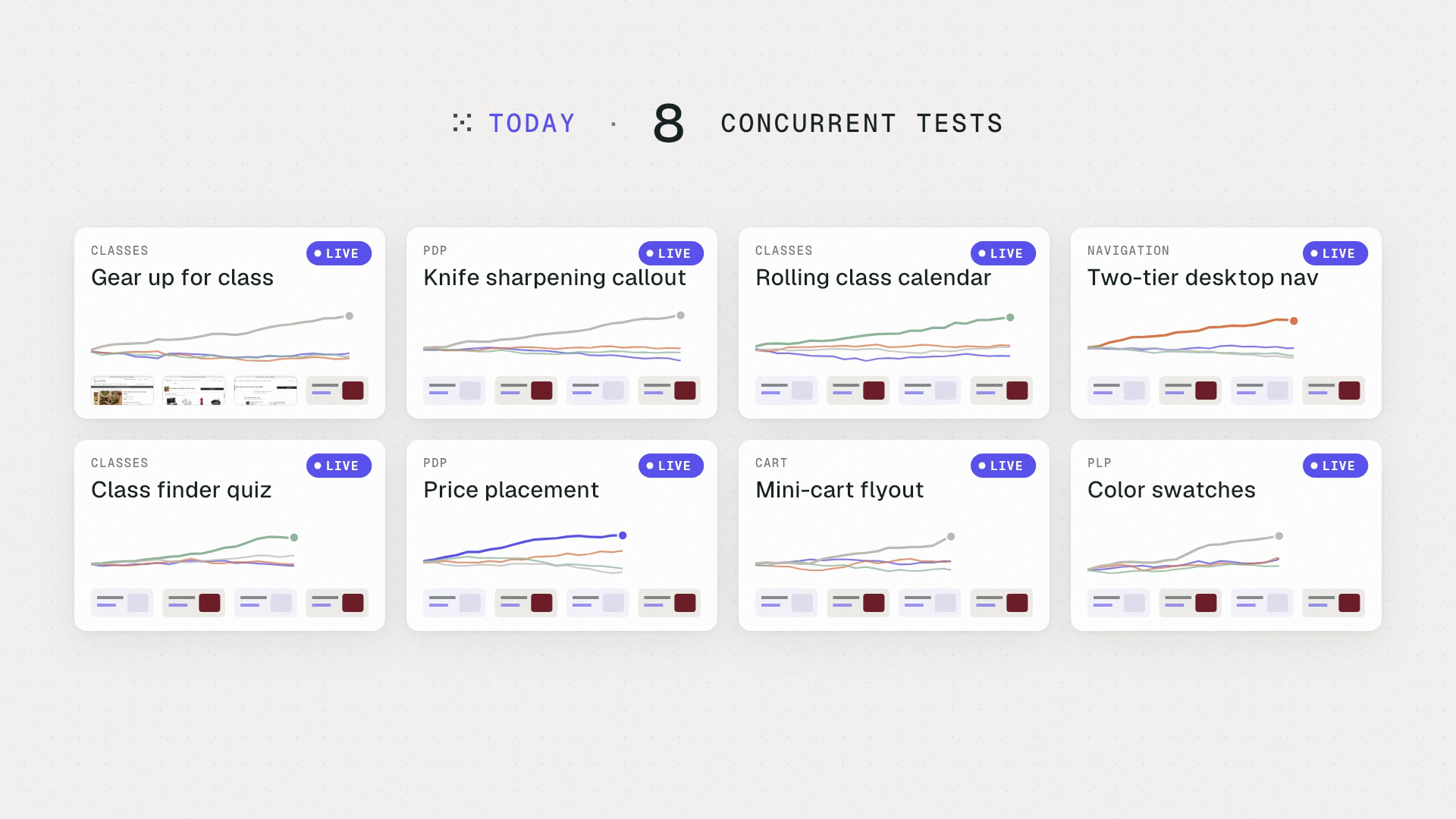
Sur la table now runs 10x more experiments with Coframe, taking ideas live in hours instead of weeks.
> “Coframe is a secret weapon for us.”
> -- Elton Graham, CMO, Sur la table
> ### At a glance
> - Ideas live in hours: Coframe generates, builds and launches experiments in hours, a process that used to take weeks of engineering work.
> - 10x more experiments: The team went from two or three experiments a month to running many at once, and stopped rationing ideas.
> - More winners: More shots on goal means more improvements reaching customers. “We can’t help but have winners,” said CMO Elton Graham.
Company background
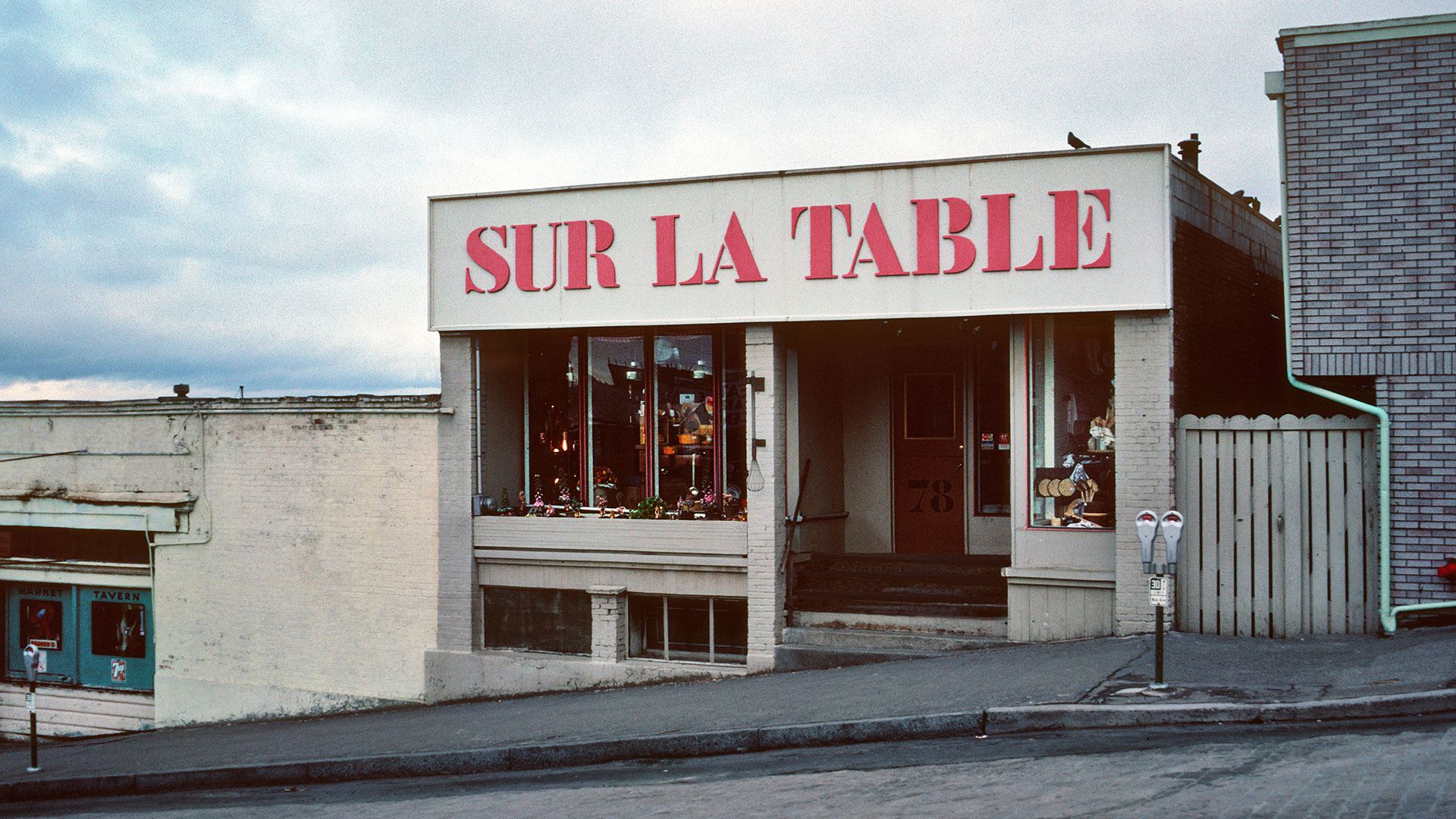
Sur la table has been selling cookware and teaching people to cook since 1972. It’s best known for what happens in its stores: associates who can tell you which skillet suits the way you cook, and cooking classes where you learn a dish by making it.
Elton Graham is Sur la table’s Chief Marketing Officer. He describes his job as getting to “literally obsess about our customers,” and a big part of that is making the website feel as helpful as walking into a store.
The challenge
Graham would rather test an idea than trust his gut. Experimentation is how Sur la table checks its ideas with the people who matter: customers.
> “Intuition at best is really just a hypothesis.”
> -- Elton Graham, CMO, Sur la table
The problem was what each experiment cost. A new idea had to become a project. Product and engineering had to schedule the work, someone had to build the variant, and tracking had to be set up before a single shopper saw it.
Once it was live, the team waited weeks for enough data, and sometimes the result was inconclusive anyway. Graham remembers spending close to two months on one experiment.
At that pace Sur la table ran two or three experiments a month. With so few slots, the team had to be careful about which ideas were worth testing at all. Plenty of good ones never made it out of the meeting where they came up.
A different way of working
Coframe took the setup off the team’s plate. It generates the variants, builds them and launches them, so an idea that comes up in an afternoon meeting can have live traffic the next day.
Every experiment still runs as a controlled A/B test with a fixed traffic split, and a winner is only called once there’s enough data. What changed is how long it takes to get there, and how many ideas can be in flight at once.
> “We’re now in the business of testing ideas and not setting up projects.”
> -- Elton Graham, CMO, Sur la table
A partner that brings ideas
Coframe doesn’t just build what Sur la table asks for. Coframe’s team studies how shoppers move through the site and comes to the table with experiments worth running.
> “They come to us first with ideas. They don’t wait for us.”
> -- Elton Graham, CMO, Sur la table
That changes the conversation. Instead of the team carrying every idea from scratch, it reviews a steady flow of hypotheses grounded in real shopper behavior, picks the ones that fit its goals, and sees them live within days.
> “Before Coframe, we treated tests like projects. Now we treat them like conversations.”
> -- Elton Graham, CMO, Sur la table
The experiment: Gear up for class
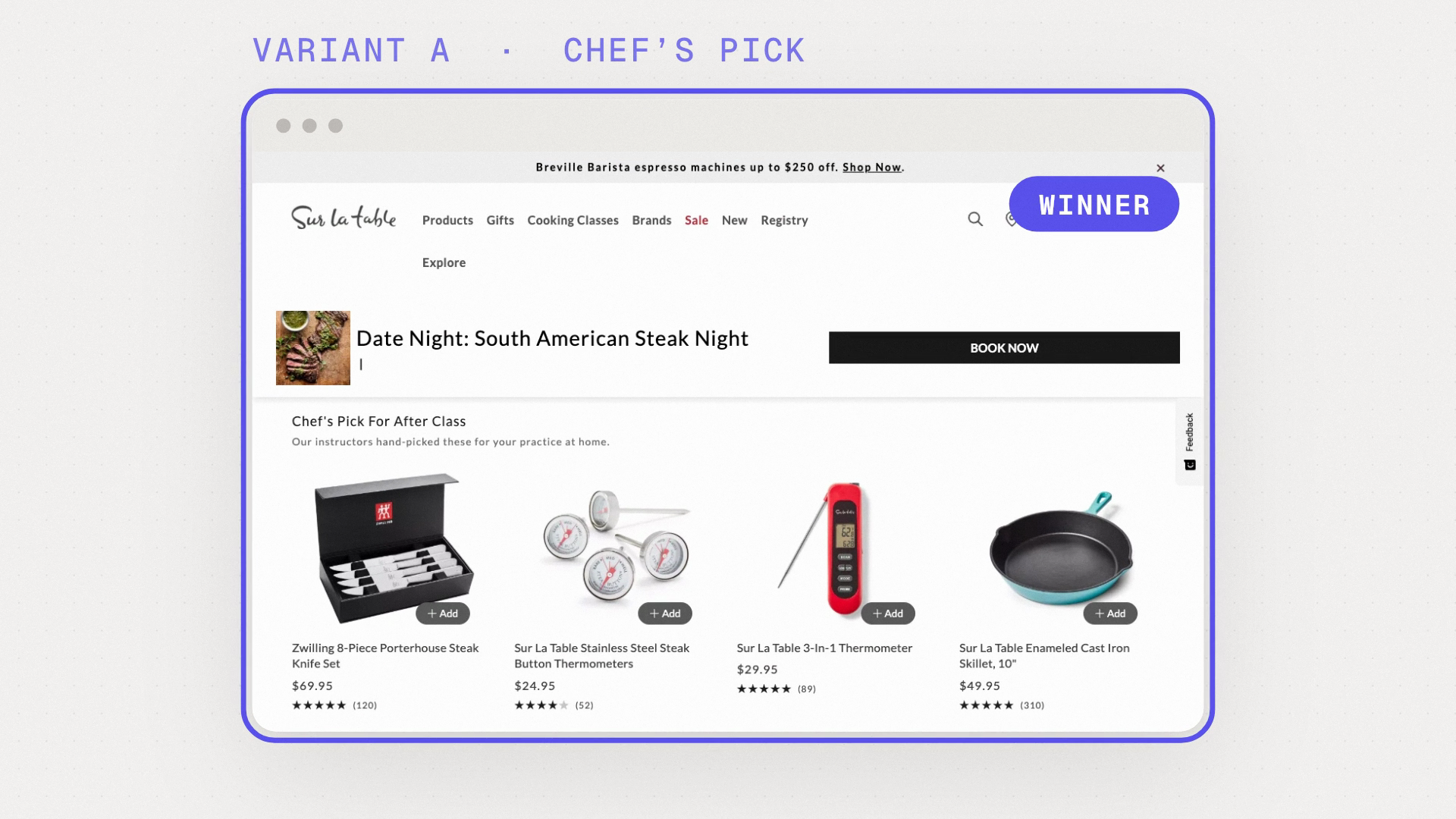
Sur la table’s cooking classes are one of the things that make the brand different. But online, a class page did one thing: get you to book a seat.
The team saw an opportunity in that moment. Someone booking a steak night is about to learn a new skill, and will probably want the right tools at home afterward. In the store, an instructor would point them to the right knife or pan. Online, nobody did.
Under the old process, testing that idea would have meant another engineering project. With Coframe, it went live in days.
> ### The two variants
> - Variant A: a “Chef’s Pick for After Class” section on the class page, with the tools each instructor recommends for that class. For steak night: a steak knife set, thermometers and a cast-iron skillet.
> - Variant B: the same tools bundled into a one-click kit.
The result
The same thinking now runs through other experiments: bringing what’s good about the store onto the website. Shoppers looking at knives online, for example, now learn that their local Sur la table store sharpens knives.
> “One of the biggest things we want to do is replicate for an online customer the benefits of our store locations.”
> -- Elton Graham, CMO, Sur la table
What changed with Coframe
More experiments, more winners
When every experiment took weeks to set up, each one had to count. Now the team can try the safe version and the bold version side by side and let customers decide. “When I think of Coframe, I think of velocity and speed, and I think of winning,” Graham said.
Customers first, numbers too
Graham is measured on conversion like any CMO, but the ideas start from the customer experience. Running more experiments is how he gets both.
An extra pair of hands
The team no longer has to fight for engineering time to try something.
> “Coframe for my team is like having an extra engineer that never says no to a good idea.”
> -- Elton Graham, CMO, Sur la table
Why it matters
Sur la table’s customers don’t think in channels. They read about a pan online and ask about it in the store. They take a class and buy the gear afterward. Every experiment teaches the team a bit more about how the website can support those moments, and each lesson shapes the next idea.
Next, Graham wants AI to look across all those results, spot patterns the team would miss, and suggest what to test next. It’s a step toward what Coframe calls living interfaces: websites that keep improving as they learn what customers want.
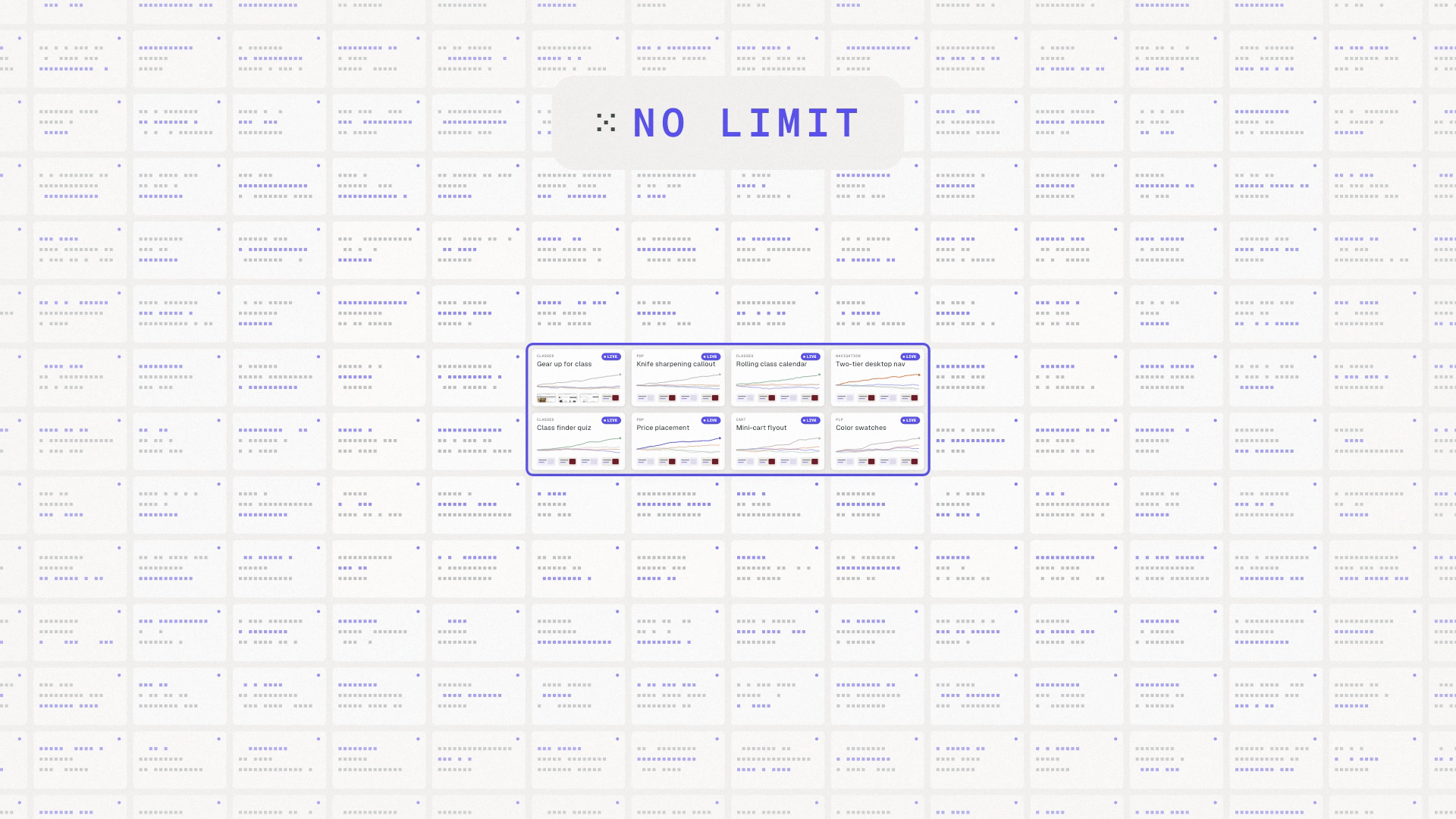
Asked how far the program can go, Graham didn’t hesitate. “We don’t know what the limit is.”
See how Coframe can work for your team.